
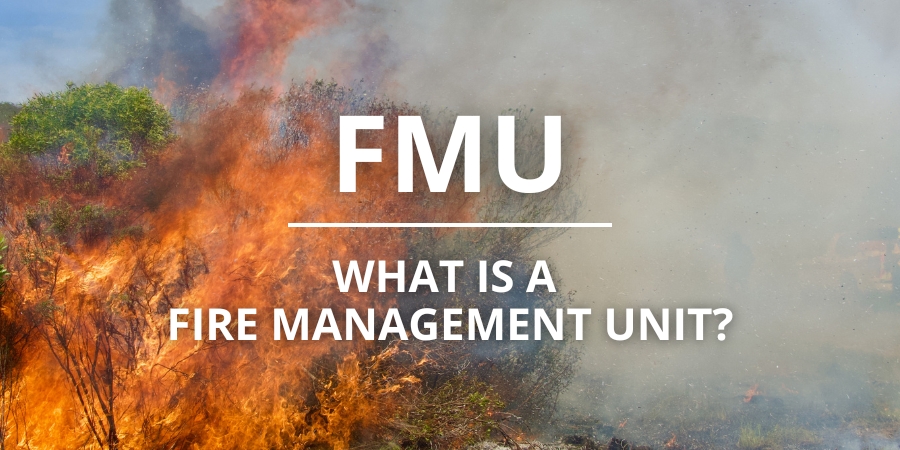
What is a Fire Management Unit (FMU)?
A Fire Management Unit of the Greater Overberg Fire Protection Association (goFPA):
- It consists of a localised area in which integrated fire management efforts between individual landowners can be most effectively coordinated.
- These Fire Management Units (FMUs) are then the “first response” to a fire which starts in their area.
- The FMU gives strategic guidance to the goFPA/Fire Services on integrated fire management in the area covered by the Fire Management Unit.
- The aim is to hold meetings for the purpose of pre-fire season planning and post-fire season
- Each FMU chooses their own leader. The leader represents their landowners in planning, preparation and the landowner response to veldfire. An FMU can have more than one leader.
The role of the goFPA
- Coordinate the establishment of the FMUs – this has mostly been completed.
a. We assist with FMU changes, including boundaries, as requested by the FMU leader.
b. Take responsibility for the administration and the set-up of the coordination of activities involved. - Align and engage with the fire management experts.
- Provide the required maps and mapping services.
- Assist with the costing and planning of the agreed fire management activities.
- Share important fire management information.
- Assist with the preparation of the Fire Management Plan(s).
- Assist with all queries
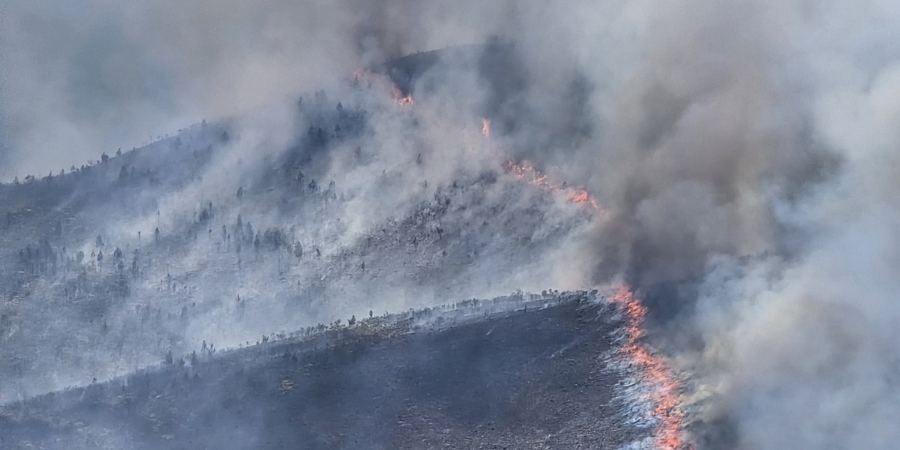
How were FMU areas determined, and what implementation activities have taken place?
Existing FMU boundaries – as previously established or identified by the former FPAs – served as the starting point. The goFPA will review these areas and assist with confirming, validating or adjusting the boundaries through engagement with FMU members, fire management specialists and local experts familiar with each.
Initially, the objectives and activities will focus on fire preparedness – in particular establishing communication and coordination between members of the FMU and the Fire Services. Furthermore, a process will begin to identify high fire-risk areas within the boundaries of the FMU.
This information will then inform the Fire Management Plan. Existing fire management plan maps from the Fire Services, FMUs and goFPA will support this process by providing a visual map of the area with the relevant fire history, fire management assets, access point, veld type and age, topographic features, etc.
As the FMU maturity level increases and as our fire management planning improves, the roles and responsibilities of the FMU, FPA and the Fire Services will evolve.
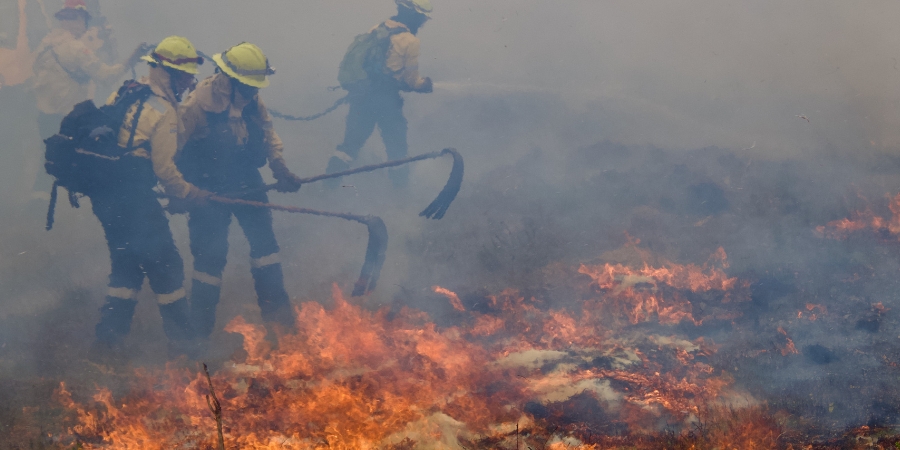
The steps to establish an FMU
4.1. Establishment of the FMU
At the first meeting all stakeholders to agree on:
– FMU area
– Leadership
– Minimum coordination efforts and information requirements (refer to step 2)
– Roles and responsibilities
– If possible, start the process to identify the fire risk and management requirements of the area.
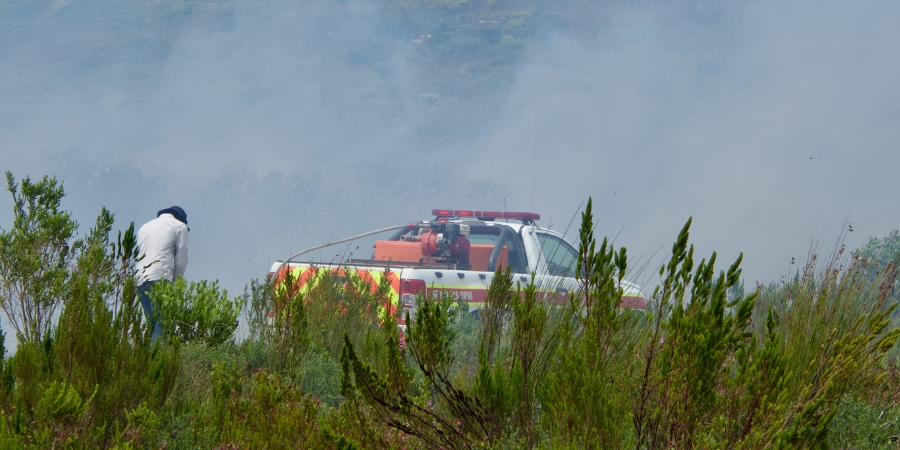
4.2. Collect and collate fire management data
The goFPA team, with the support of the FMU leadership, will collect, assimilate and distribute the communication and key fire management information. The expected outcomes:
– Communication framework with all the landowners’ details
– The Fire Services’ contact details and procedures
– Fire management risk update
4.3. Agreed operational procedures in the event of a fire
The goFPA, with the support from the Fire Services will assist the FMU leadership to develop and communicate safe and coordinated response procedures/activities. An FMU meeting is recommended. We can assist to arrange the meeting.
4.4. Next steps
Continuous improvement, feedback and required pre- and post-fire season meetings.
For any questions and assistance, please contact your FMU leader and/or the goFPA team – Louise, Pieter or Mitch.