
Support Overberg firefighting year-round – donations made this winter help equip and support firefighters during fire season.
FIRE MANAGEMENT UNITS
What are Fire Management Units, or FMUs?
Fire Management Units are small groups of members in a localised area in which integrated fire management efforts between individual landowners can be most effectively coordinated.
– These Fire Management Units act as the “first response” to any fire that starts within their area.
– The FMU provides strategic guidance to the goFPA/Fire Services on integrated fire management within its boundaries.
– FMUs hold meetings for pre-fire season planning and post-fire season feedback.
– Each FMU chooses its own leader, who represents the landowners in planning, preparation and coordinating their response to veldfires. An FMU may have more than one leader.
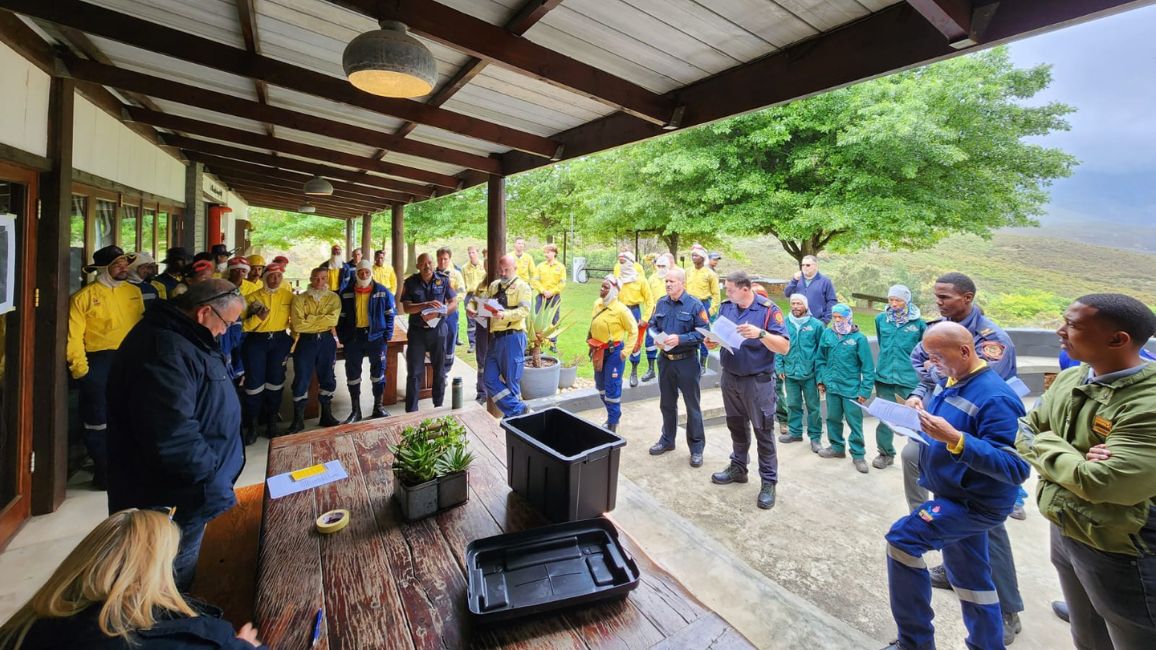
The role of the goFPA
– Coordinate the establishment of the FMUs.
-
- The goFPA assists with FMU changes, including boundary updates, as requested by the FMU leader.
- We provide administration support and set-up the coordination of activities.
– Align and engage with the fire management experts.
– Provide the required maps and mapping services.
– Assist with the costing and planning of the agreed fire management activities.
– Share important fire management information.
– Prepare the Fire Management Plan.
– Assist with all queries.
FMU meetings
FMU meetings are arranged together with the FMU leadership or agriculture unions or conservation groups with support from the goFPA team. Annual meetings of members of an FMU (FMUs) should be arranged to put pre-fire season plans in place.
Typical items to discuss are:
Integrated Fire Management Planning:
- High-risk area discussion, planning & mapping.
- List all the relevant phone numbers of all the land owners/managers in the FMU and their firefighting equipment.
- Draw up a map of available water filling points and access points.
- Discuss communal and strategic fire breaks, and encourage all to cooperate in the preparation of fire breaks.
- The latest insurance requirements for public liability claims.
- Training
Preparedness
- Swop keys to gates that will allow access to neighbours (if required).
- Understand how to maximize/optimize the use of the goFPA and the fire department.
- Look into the efficiency and cost of air support insurance.
- Implement a fast reaction plan to try and put fires out as early as possible.
- Discuss possible “back burning” strategies and positions in the case of a bad runaway fire.
How were FMU areas determined?
We started by relying on FPAs already identified prior to the onset of the goFPA. The goFPA then assisted with developing these areas by engaging with FMU members, fire experts and those with local knowledge to confirm, validate or adjust the boundaries.
From the outset, we focused on preparedness: establishing communication and coordination between FMU members and the Fire Management Services. In addition, a process was initiated to identify high fire-risk areas within each FMU’s boundaries.
This information then informed the Fire Management Plan. Fire Services, FMUs and the goFPA fire-management maps were used to support the process, providing a visual overview of the area, including fire history, fire-management assets, access points, veld type and age, topography and more.
As the FMUs matured and Fire Management planning improved, the roles and responsibilities of both the FMUs and the goFPA evolved and expanded.
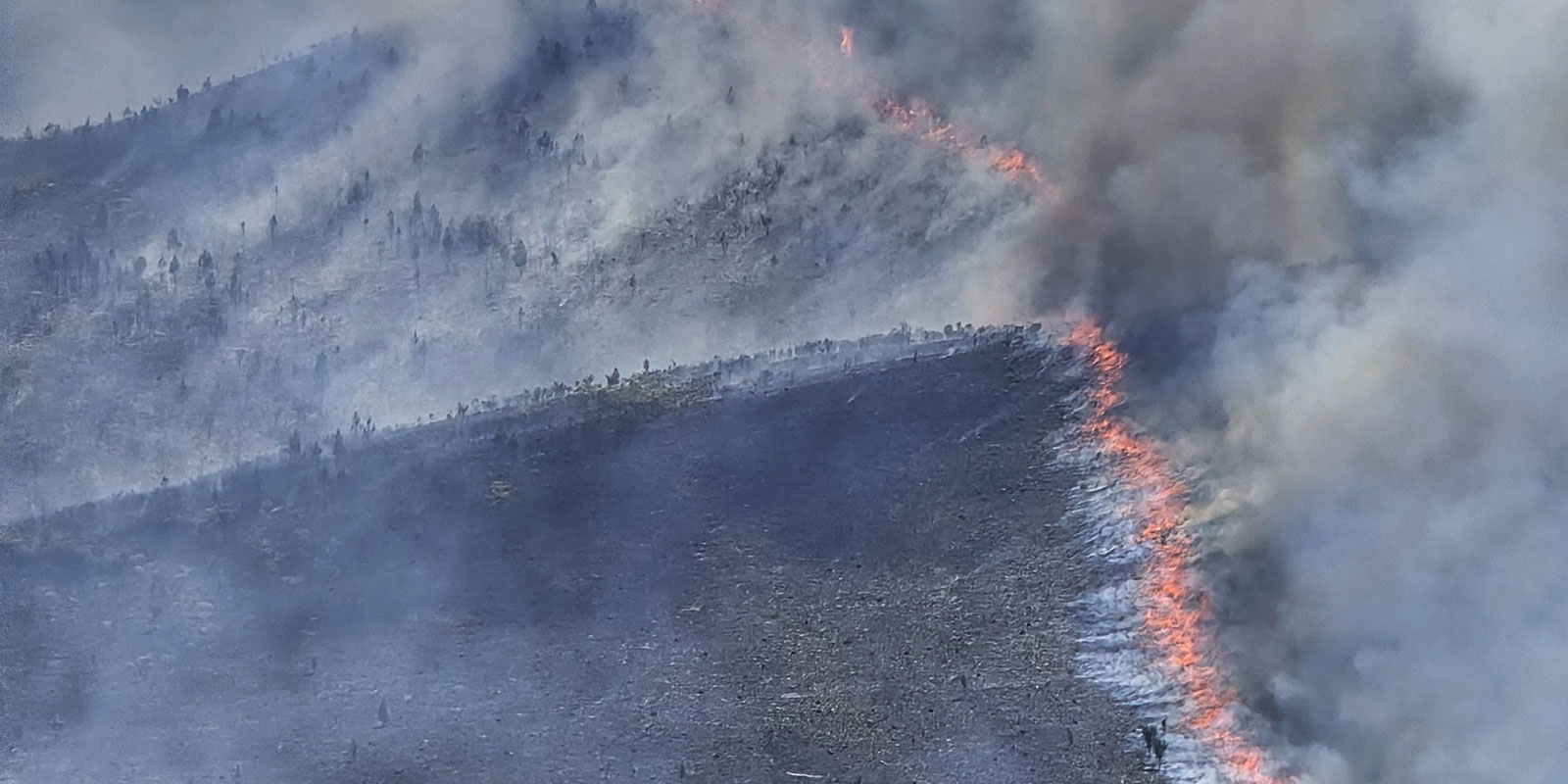
Establishing an FMU: What you need to know
To start an FMU, stakeholders must agree on the following:
1. FMU area
2. Leadership
3. Minimum coordination efforts & information requirements
4. Roles & responsibilities
5. Plan how to identify the fire risk & management requirements of the area.
Collecting fire-management data
The goFPA team with the support of the FMU leadership collects, assimilates and distributes the communication and key fire-management information. Some of the deliverables include:
– Communication framework with all the landowner’s details
– The Fire Services contact details & procedures
– Fire management risk updates
Agreed operation procedures during a fire event
The goFPA assists the FMU leadership to develop and communicate safe and coordinated response procedures/activities.
Next steps
From here we focus on continuous improvement, feedback and the required pre- and post-fire season meetings.
Please contact the goFPA on info@overbergfpa.co.za or 028 425 1690 to find out which FMU you belong to and who your leader is.
WHAT’S HAPPENING IN OUR WORLD
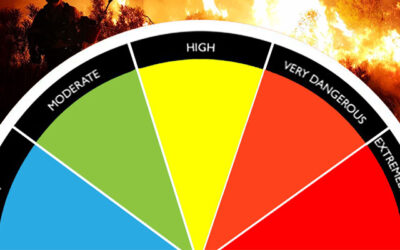
Why you should get to know the Fire Danger Index
Taking note of your region’s Fire Danger Index not only makes you aware of the risk of fire on the day. It can also help to save lives. South Africa’s Fire Danger Index is based on a fire danger rating system. This gives you a daily update about the threats

We are ready for the fire season
“However, fires never listen, and they’ve started prematurely this year,” Geldenhuys says. Since November, the Overberg district has already experienced four large fires. The wildfires have affected Grabouw, Botriver, Hermanus and Villiersdorp.

Invasive plant clearing & restoration: The teams you can trust
As a landowner, do you want to protect your infrastructure and cultivated lands, mitigate veldfire risks and wildfire spread from your property, and protect and restore the environment? Then we can help. Invasive alien clearing can …
SUPPORT #FIREFIGHTERS BATTLING
THE OVERBERG FIRES.
All funds raised will SUPPORT fire-fighters battling the overwhelming Overberg fires. ALL monies raised will be: – used for making the fire lines more bearable, including; – cellphone airtime to talk to their families at home; – foodstuff like ice to keep their drinks cold, that warm meal to supplement their ration packs, and any other essentials. goFPA is a registered PBO.
GIVE
You can get involved by providing goods to energise our fire-fighters. Here’s a list of non-perishable items you can drop off – that help sustain our fire-fighters working hard to protect our homes and nature
DONATE
Donations are made through the secure PayFast system.
SNAPSCAN
reduction | readiness | response | recovery
IMPORTANT DOCUMENTS FOR MEMBERS
CONNECT WITH US
Follow us on
Twitter @OverbergFPA
Facebook @goFPA
Instagram @OverbergFPA
for fire news & updates
and other Partners